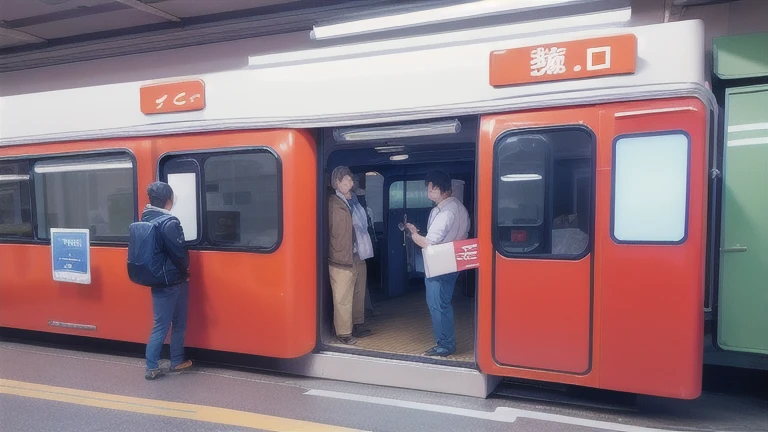

Japan’s train system is famous for being efficient, punctual, and incredibly extensive. However, for many visitors, it can also be confusing and overwhelming. Every year, countless travelers struggle with transfers, ticket systems, and IC cards.
In this guide, we’ll break down the common problems foreigners face on Japanese trains and provide simple solutions to avoid mistakes. If you’re planning a trip to Japan, this article will save you time, money, and stress.
For more travel tips and troubleshooting guides, check out our Japan travel tips collection.
Common Problems Tourists Face on Japanese Trains
1. Getting Lost During Transfers
One of the most frequent issues is getting lost when transferring between lines. Major stations like Shinjuku or Tokyo Station can feel like labyrinths.
- Multiple train companies operating in one station
- Signs only partially translated into English
- Platforms located far apart
2. Confusion with IC Cards
IC cards like Suica or PASMO are convenient, but many travelers misuse them.
- Forgetting to tap in or out
- Insufficient balance
- Using the wrong gate
3. Boarding the Wrong Train
Not all trains stop at every station. Express trains can skip your destination entirely.
- Rapid vs Local confusion
- Limited Express requiring extra fees
4. Ticket System Confusion
Japan uses a distance-based fare system, which can confuse visitors used to flat-rate pricing.
- Buying the wrong ticket amount
- Not understanding fare adjustment machines
Who This Guide Is For
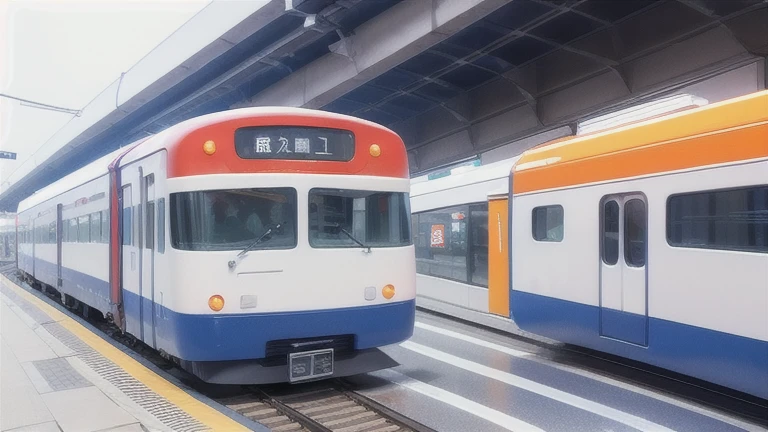
This guide is especially useful for:
- First-time visitors to Japan
- Travelers unfamiliar with complex transit systems
- People planning to use trains extensively
- Tourists relying on IC cards
If you’ve ever felt anxious about navigating public transport abroad, this guide will help you feel confident.
Main Causes of These Problems
1. Complex Railway Network
Japan’s rail system is operated by multiple companies (JR, private railways, subways), which creates overlapping routes and different ticket rules.
2. Language Barrier
Although many signs are translated, not all details are clear in English, especially in smaller stations.
3. Different Travel Culture
In Japan, trains are extremely punctual and structured. Missing a train by seconds can disrupt your entire route.
4. Lack of Preparation
Many travelers underestimate how complicated transfers can be, especially in major cities.
For more real-life travel issues and solutions, check our detailed problem-solving articles here.
How to Avoid Train Mistakes in Japan
1. Use Navigation Apps
Apps like Google Maps or Japan Transit Planner are essential.
- Shows exact platforms
- Provides transfer times
- Displays train types (Local, Rapid, Express)
2. Always Check Train Type
Before boarding, confirm whether the train stops at your destination.
- Local = stops everywhere
- Rapid/Express = skips stations
3. Master IC Card Basics
IC cards are easy once you understand the basics:
- Always tap when entering AND exiting
- Check your balance regularly
- Recharge at machines or convenience stores
4. Allow Extra Time for Transfers
Major stations can take 10–20 minutes to navigate.
- Follow color-coded lines
- Look for platform numbers, not just train names
5. Use Fare Adjustment Machines
If you make a mistake, don’t panic.
- Machines near exits fix fare differences
- Station staff are usually helpful
6. Ask for Help
Japanese station staff are known for being polite and helpful, even with limited English.
Summary
Getting lost on Japanese trains is very common, even for experienced travelers.
The main issues are:
- Complex transfer systems
- IC card mistakes
- Wrong train selection
- Ticket confusion
However, with the right preparation, you can easily avoid these problems.
Key Takeaways:
- Use navigation apps
- Understand train types
- Learn IC card basics
- Give yourself extra time
For more helpful travel guides and troubleshooting tips, visit our Japan travel resource hub.


コメント